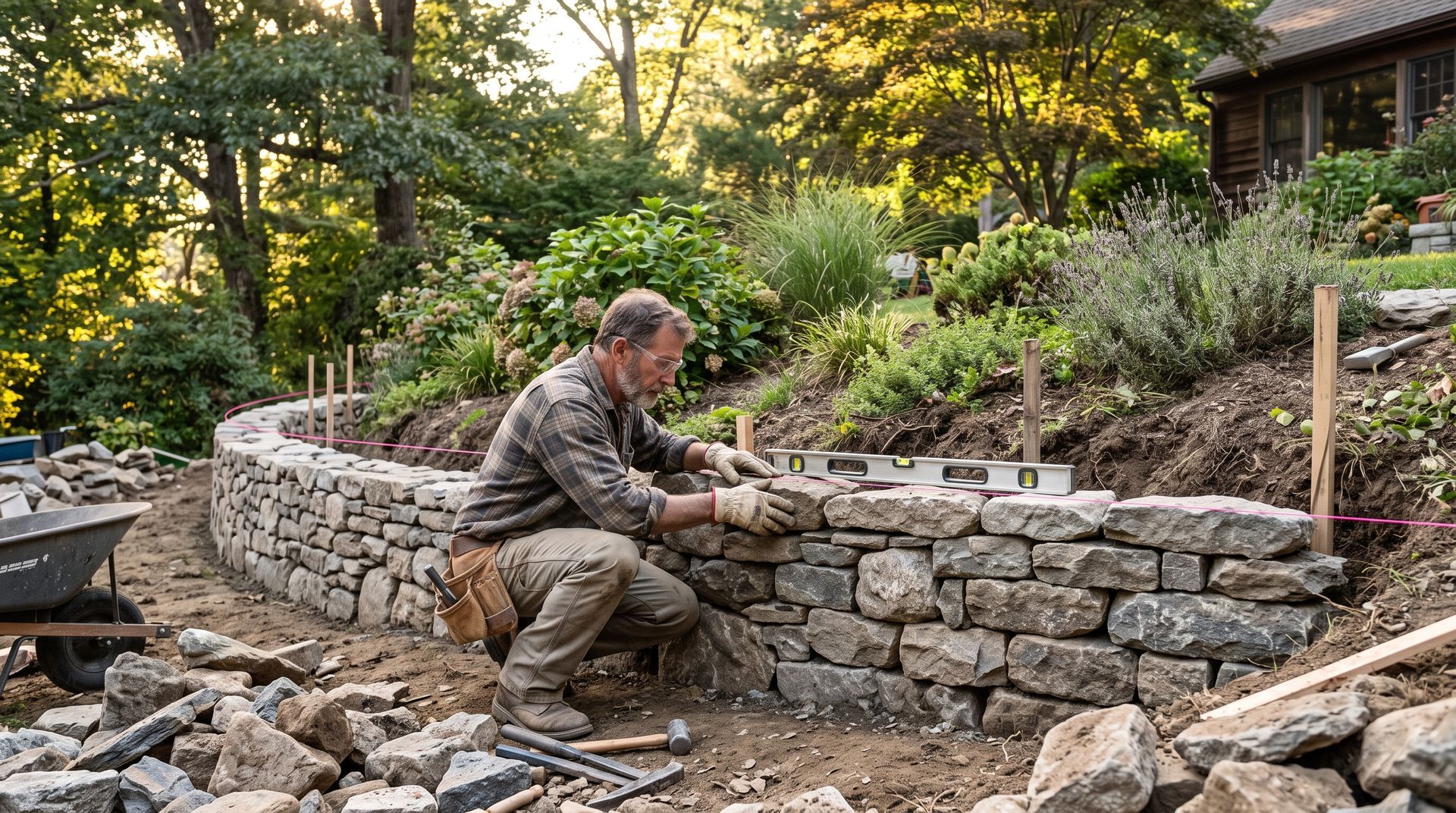
The construction process starts with understanding the specific problem the wall needs to solve, including how much soil it needs to retain, the slope and drainage patterns on the property, and what the wall needs to hold back over its lifetime. This assessment determines the wall's height, footing depth, and reinforcement needs.
Proper drainage behind a retaining wall is one of the most important, and most commonly overlooked, elements of a durable retaining wall. Without adequate drainage, water builds up behind the wall and puts pressure on it that it wasn't designed to handle, which is one of the leading causes of retaining wall failure. We install drainage systems appropriate to the wall's size and the site's specific water flow.
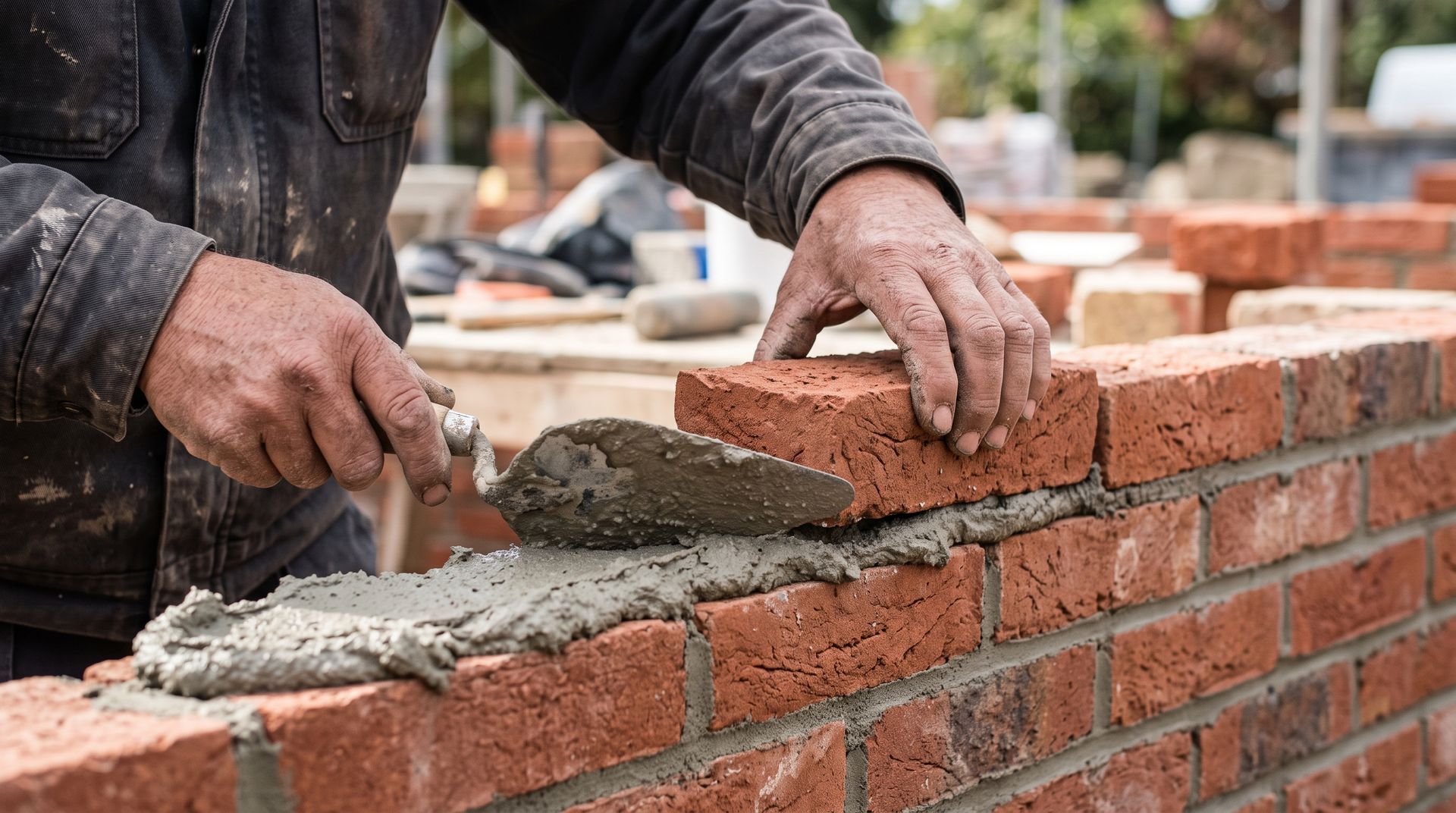
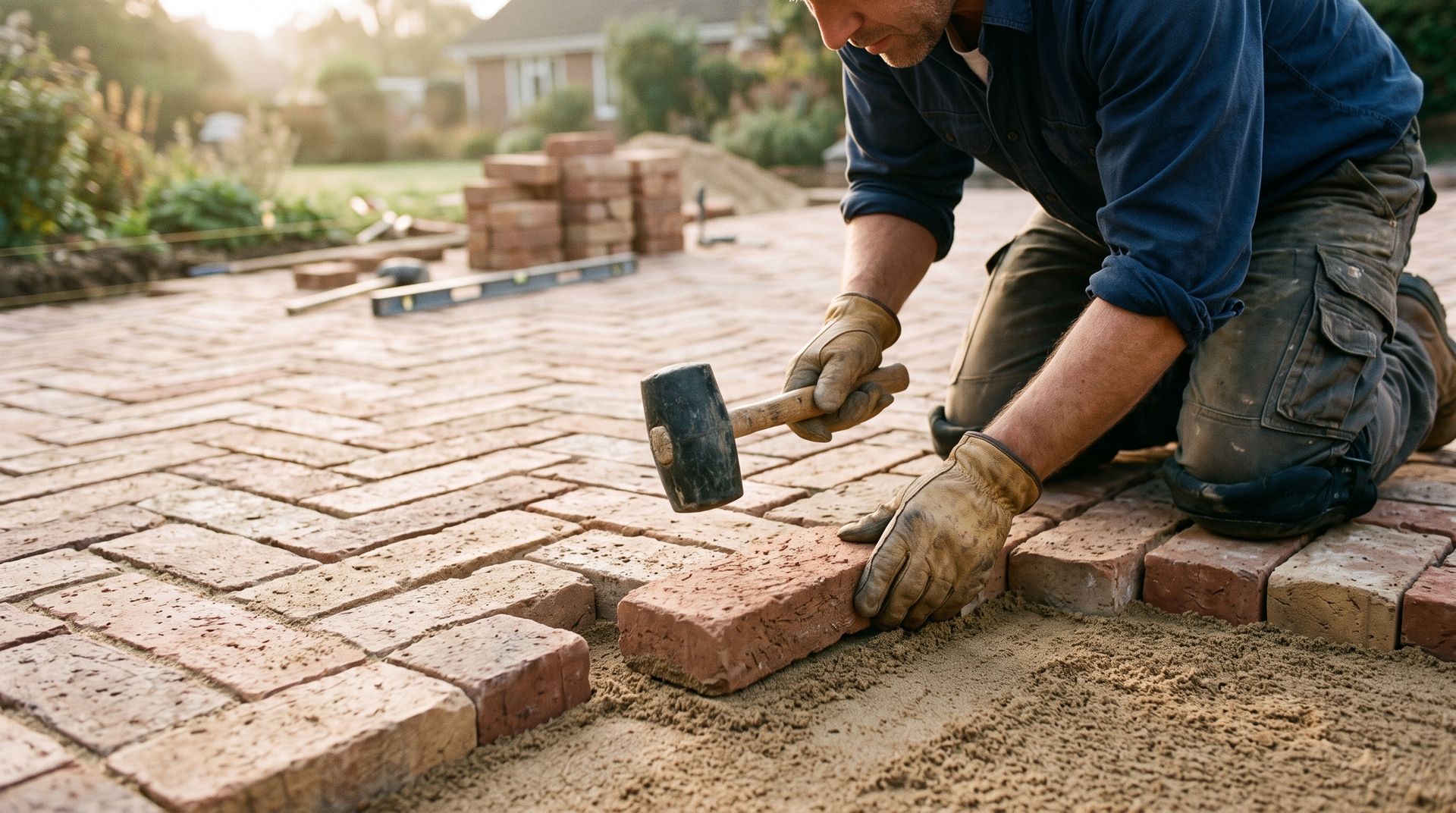
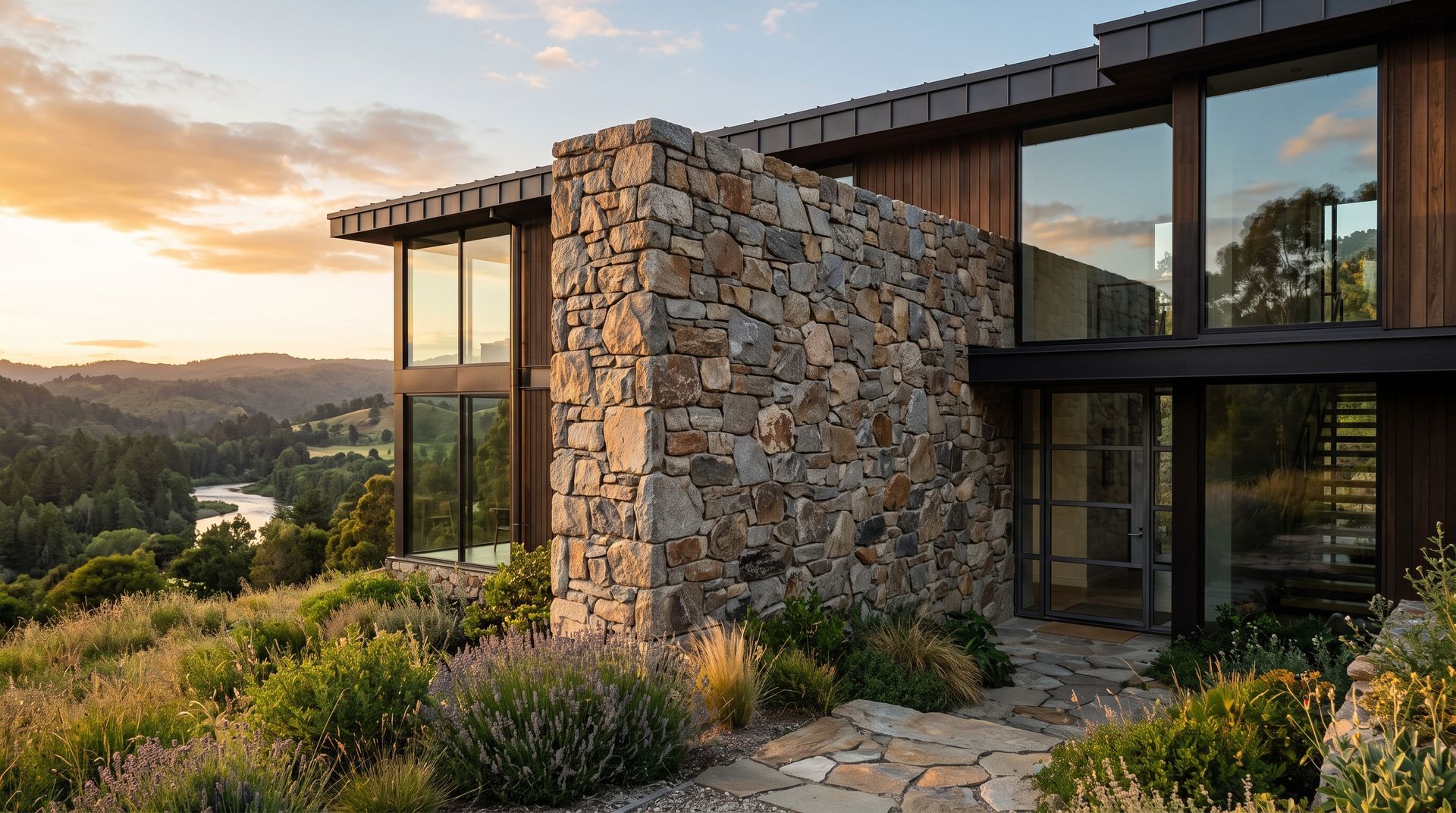
Material options include brick, natural stone, and various block systems, each offering different aesthetic and cost considerations. We help homeowners choose a material that fits both their budget and the overall look of their property.
Retaining wall cost depends on several factors: wall height and length, the material chosen, site access and how difficult the location is to work in, and the amount of excavation and drainage work required. A short, simple wall in an easily accessible area costs considerably less than a taller wall requiring extensive excavation, reinforcement, and drainage work. We provide a detailed, honest estimate after walking the site, since retaining wall pricing genuinely depends on these site-specific factors rather than a flat per-foot rate.
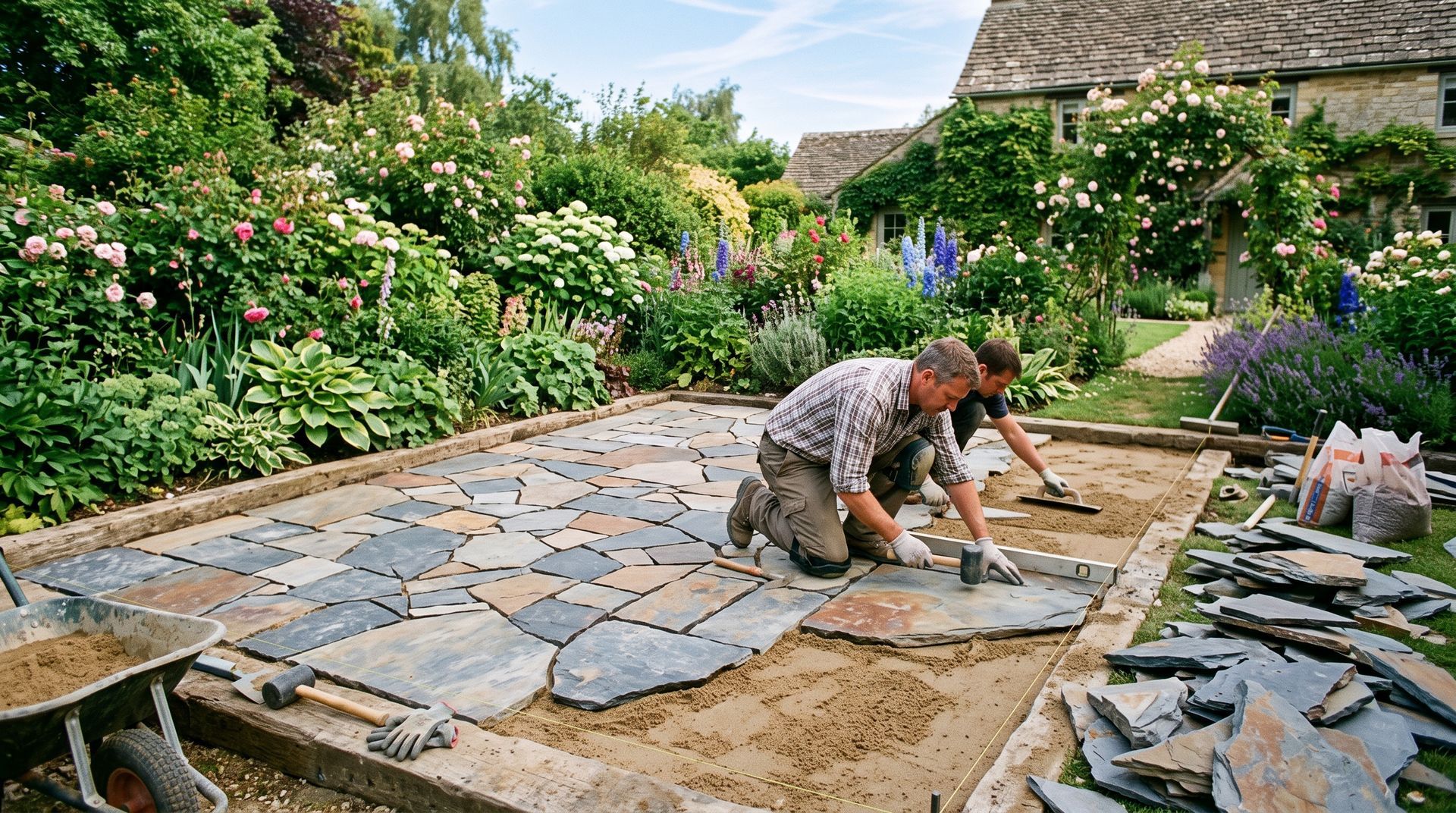
Beyond solving a functional problem, retaining walls also create usable, level space in a yard that previously wasn't, and many homeowners end up using that new space for gardens, patios, or additional landscaping.
If you're dealing with a grading or drainage problem, contact us for an assessment. We'll evaluate the site and explain what kind of wall the situation actually calls for.